

Architects often ask me how to make a floor medallion stand out without overwhelming the rest of the room. The answer usually comes down to color contrast. You can have the most complex CAD drawing in the world, but if the stone colors wash each other out, the final piece looks muddy on the floor.
The Mechanics of High-Contrast Inlay
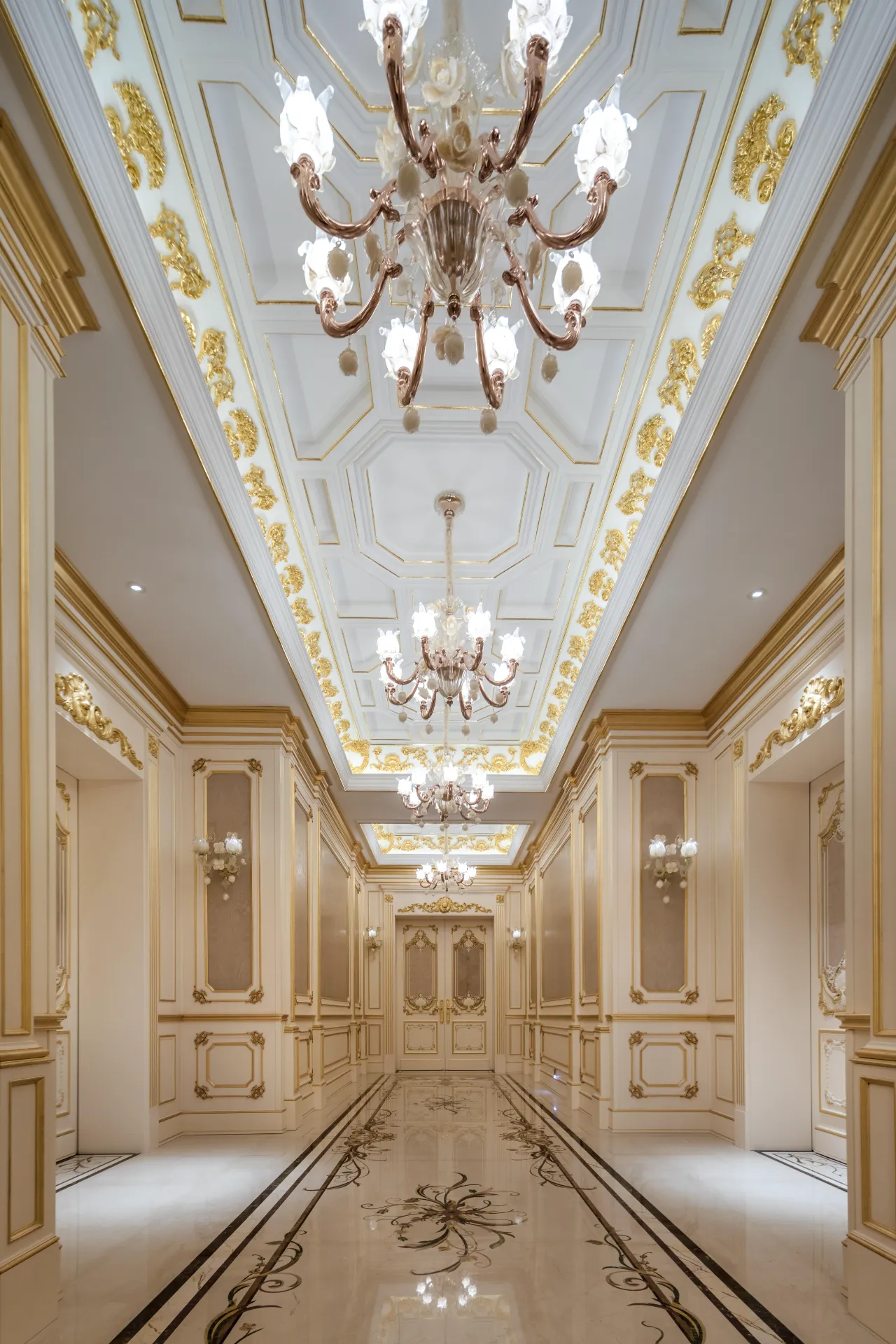
In our factory, we look at contrast geometrically. A dark background stone pushes lighter design elements forward. If a client wants a classic compass rose, we don’t just pick two shades of grey. We map absolute black (like Nero Marquina) directly against absolute white (like Thassos). The CNC waterjet cuts these pieces to a fraction of a millimeter. When bonded together, the sharp boundary between the black and white stone creates a distinct optical depth.
Why Mid-Tone Colors Fail in Complex Designs
I see this mistake constantly in residential projects. A designer specifies Crema Marfil for the background and a light Emperador for the intricate floral vines. On a computer screen, it looks fine. On a floor receiving natural sunlight, the colors bleed together. The intricate details get lost.
If you are paying for the machine hours and artisan labor to assemble a custom waterjet medallion, you need the design to read clearly from eye level. We recommend jumping at least three shades on the color index between adjacent stones. If you are using a mid-tone background, you need deep greens, reds, or blacks for the inlay work.
Controlling Cost Through Color Selection
Color choices directly dictate the manufacturing cost. Standard high-contrast stones like absolute black granites and white marbles are relatively affordable because the blocks are massive and yield well. When you start pulling in semi-precious stones for vibrant blues (Lapis Lazuli) or greens (Malachite) to create contrast, the raw material cost spikes. I always advise architects to use the expensive, high-contrast stones sparingly—as central accents or thin border lines—rather than as the main background.
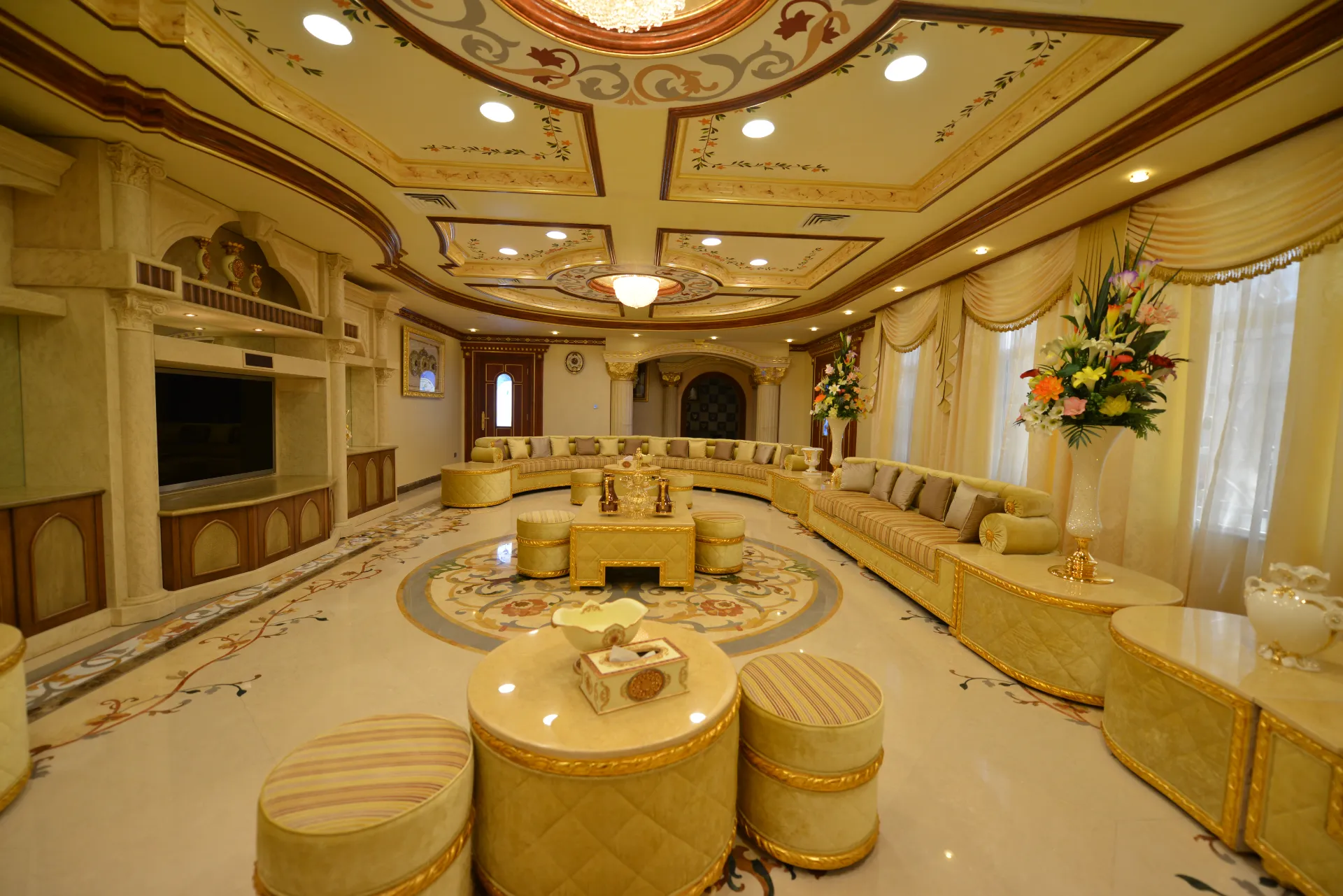
You can see how we apply these principles across different architectural styles in our project portfolio. If you have a specific CAD file you want me to review for material selection and color yield, send it over. Our factory team will map out the stone blocks and get you a direct quote.
Contact our engineering team here.
Frequently Asked Questions
What is the best stone for a dark background in marble inlay?
Nero Marquina marble or Absolute Black granite are the most reliable options. They cut cleanly on the waterjet and take a high polish, creating a sharp boundary against lighter stones.
How do you prevent light marble from staining next to dark marble?
We bond the pieces using industrial stone epoxy in the factory, leaving zero gaps. Once installed and polished flat on-site, a penetrating stone sealer prevents any moisture transfer between the different materials.
\n\n
Check our Instagram.